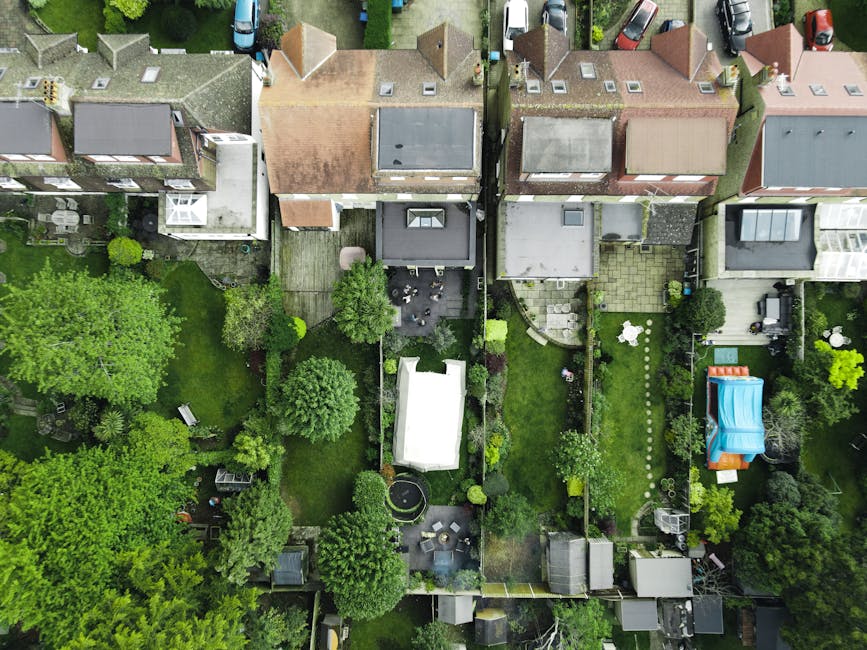
Real cost guide for garden maintenance Mile End postcode E3
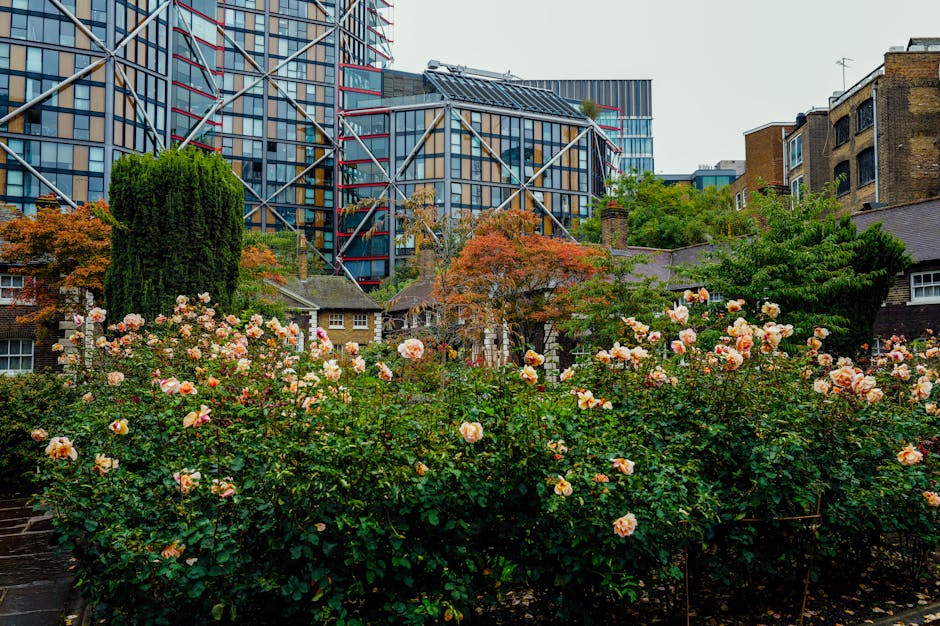
If you live in Mile End and you are trying to make sense of garden maintenance pricing, you are not alone. Costs can feel oddly unclear at first: one gardener quotes per hour, another gives a visit rate, and a third talks about seasonal upkeep like it is all common knowledge. This real cost guide for garden maintenance Mile End postcode E3 breaks that down in plain English, so you can understand what you are paying for, what affects the price, and how to compare quotes without getting caught out.
In a busy East London postcode like E3, garden upkeep is rarely just "mow the lawn and done." Small urban plots, narrow side access, overgrown borders, paving, hedges, patios, and awkward waste removal can all change the job. So let's get practical. What should a realistic garden maintenance budget look like, and where does the money actually go?
Why Real cost guide for garden maintenance Mile End postcode E3 Matters
Garden maintenance is one of those household costs that is easy to postpone until things start looking a bit wild. Then suddenly the job becomes bigger, slower, and more expensive. In Mile End, that can happen fast. A week of rain, a warm spell, and a couple of missed visits can turn a tidy garden into a full reset job. You know the look: damp paths, weeds in the joints, hedge growth leaning out into the walkway, and a lawn that has gone from green to patchy in no time.
A proper cost guide matters because it helps you distinguish between routine upkeep and recovery work. Routine upkeep is usually more cost-effective because it prevents problems from stacking up. Recovery work often involves extra labour, more waste, specialist tools, and sometimes even add-on services like lawn mowing, hedge trimming in Mile End, or full patio cleaning.
There is also a trust angle here. If you understand pricing, you can ask better questions. That means fewer surprises when you receive a quote, and fewer awkward moments halfway through a job when a gardener says, "Actually, there's quite a bit more to do here." To be fair, that happens more often than people expect.
For local homeowners, landlords, letting agents, and even busy professionals who just want the outdoor space to feel usable again, knowing the real cost range is the difference between budgeting calmly and guessing in the dark.
Expert summary: In E3, the most sensible garden maintenance budget is usually built around frequency, access, garden size, and how neglected the space has become. The more regular the care, the more predictable the cost.
How Real cost guide for garden maintenance Mile End postcode E3 Works
Garden maintenance pricing is usually built from a mix of time, labour, and site conditions. Some jobs are charged hourly, some by visit, and some as a regular contract or seasonal package. There is no single flat rate that works for every garden, because a compact courtyard in Mile End is a very different job from a deeper back garden with thick hedges, timber decking, and a large amount of green waste.
What typically changes the price
- Garden size: Small urban gardens cost less to maintain than larger or segmented plots.
- Condition: A lightly untidy garden is quicker than one that has been left for months.
- Access: Narrow side access, shared entrances, or awkward waste handling can add time.
- Task mix: A simple tidy-up costs less than a multi-part visit involving mowing, pruning, weeding, edging, and clearance.
- Frequency: Weekly or fortnightly visits are usually easier to plan and often more economical over time.
- Specialist work: Jobs like tree surgery, major hedge reduction, or extensive landscaping are not the same as routine maintenance.
Some providers price maintenance as an ongoing service, while others treat each visit separately. An ongoing arrangement is often better for gardens that need consistent attention. A one-off visit makes more sense if you are preparing for a sale, an event, or a long-overdue seasonal clear-up. Different problems, different price logic.
It also helps to know what is usually included. A maintenance visit might cover mowing, edging, weeding, pruning, leaf clearance, and light waste removal. It may not include heavy clearance, plant replacement, fence repairs, or redesign work. If you need broader help, a combined service through gardening services or a more structured garden maintenance arrangement can make more sense.
Key Benefits and Practical Advantages
The biggest benefit is obvious: a cleaner, healthier garden. But there is more to it than looks. Good maintenance protects the work you have already paid for. Plants stay in shape. Lawns do not become scalped and stressed. Weeds do not quietly take over the borders. And your hard surfaces stop becoming slippery, green, and honestly a bit grim.
Here are the practical wins that matter most to Mile End residents:
- More predictable spending: Small, regular visits usually prevent expensive catch-up jobs.
- Better garden health: Frequent care reduces pest pressure, disease spread, and overcrowding.
- Improved kerb appeal: Useful if you are renting out, selling, or simply keeping standards high.
- Safer outdoor space: Clear paths, trimmed edges, and cleaner patios reduce slips and trips.
- Less stress: You stop carrying the "must deal with the garden" worry around in your head.
There is also a lifestyle benefit that people sometimes forget. If a garden is maintained properly, you are more likely to use it. A tidy corner can become a reading spot. A clear patio becomes a place to drink tea in the morning. A neat border makes the whole place feel calmer. Small thing, but it matters.
And if your garden has tricky areas like shaded ground, climbing weeds, or awkward gaps, targeted planting can reduce maintenance over time. Articles such as ground cover plant ideas and shade-compatible evergreen climbers are useful if you want the space to work harder for you.
Who This Is For and When It Makes Sense
This guide is useful whether you own a modest terrace garden, manage a rental property, or simply inherited a patch of green that has become a bit too enthusiastic. To be fair, that is a very London problem. Space is limited, but plants do not always behave like they got the memo.
Garden maintenance in Mile End makes the most sense if you fall into one of these groups:
- Homeowners who want a tidy, usable outdoor space without spending every weekend on upkeep.
- Busy households where garden chores keep getting pushed back.
- Landlords and agents who need properties looking presentable for tenants and inspections.
- Older homeowners who want help with physical tasks like lifting, pruning, or recurring mowing.
- People recovering from neglect who need a one-off reset before moving to routine care.
It also makes sense if you are trying to solve a specific problem rather than pay for a general tidy. For example, maybe the lawn is becoming patchy, the hedge is blocking light, or the paving is growing slippery algae. In those cases, a focused service such as lawn care or patio cleaning can be more cost-efficient than a broad maintenance visit.
If your garden needs a bigger refresh, then the pricing should be viewed differently. A renovation-style job is more intensive and will naturally cost more than routine care. That is why reading this alongside garden renovation guidance can be helpful.
Step-by-Step Guidance
If you want a fair quote and better value, the smartest approach is to break the process into clear steps. It keeps the conversation practical and stops you paying for vague assumptions.
- List the tasks you actually need. Be specific. "General tidy-up" is okay as a starting point, but "mow front and rear lawns, remove weeds from borders, trim one hedge, and clear debris" is much better.
- Decide on frequency. Weekly, fortnightly, monthly, or seasonal? The more regular the visit, the easier it is to keep costs stable.
- Assess access and waste. Can tools and cuttings be carried easily? Will there be bags of waste to remove? Waste handling can change the final price.
- Separate routine work from specialist work. Tree pruning, decking restoration, or major landscaping should usually be quoted separately.
- Ask what is included. Does the quote cover edging, green waste, fuel, and disposal? If not, what is extra?
- Request a site-based quote where possible. A quick look at the garden often produces a better estimate than guesswork from photos alone.
- Compare the scope, not just the number. The cheapest quote is not always the best value if it excludes obvious tasks.
As a rule of thumb, the cleaner and more regular the schedule, the easier it is to budget. That sounds almost too simple, but it really is the backbone of good garden care.
If you are unsure what tools or equipment a gardener may need for your job, it can help to look at essential gardening tools. It gives you a better feel for why some jobs take longer than they first appear.
Expert Tips for Better Results
After plenty of real-world garden jobs, one thing stands out: small decisions early on save money later. A few simple habits can make maintenance smoother and keep your quote sensible.
- Keep on top of weeds before they seed. One missed cycle can mean a much bigger pull-out job later. If this is a recurring issue, weed control advice is worth a look.
- Trim hedges before they become a problem. Light shaping is cheaper than hard reduction. And it looks better, too.
- Mulch exposed soil where practical. It helps suppress weeds and retain moisture, which can reduce ongoing labour.
- Use the right planting in difficult spots. For shade or dry corners, the right plants lower maintenance naturally.
- Group tasks together. If a gardener is already on site, combine mowing, pruning, edging, and tidy-up work in one visit rather than splitting them across several trips.
One small but important tip: talk openly about your budget. A good gardener can usually suggest ways to prioritise the worst areas first and keep the job manageable. That conversation is often more useful than a polished brochure. Frankly, it saves everyone time.
For tricky boundaries and privacy issues, planting can be more cost-effective than constant cutting. See also fast hedges for privacy and hedge trimming techniques if your garden edge is doing half the battle.
Common Mistakes to Avoid
A lot of people overpay for garden maintenance simply because they ask for the wrong thing, or they ask at the wrong time. It happens.
- Only asking for a total price. A better quote breaks down what is included.
- Leaving everything until the garden is heavily overgrown. The cost rises quickly when there is a lot to cut, clear, and haul away.
- Mixing maintenance with improvements. Routine care is not the same as redesign, fencing, or landscaping.
- Ignoring access constraints. If waste has to be carried through the house or a long side passage, that matters.
- Assuming all gardeners include disposal. They do not always. Ask.
- Using the cheapest quote without checking scope. The low number can disappear fast once extras appear.
There is also a softer mistake: trying to make the garden perfect in one go. Sometimes it is better to tackle the biggest pain point first, then create a sensible maintenance rhythm. Calm beats chaos. Every time.
Tools, Resources and Recommendations
Good garden maintenance is faster and better when the right tools are used. Even if you are hiring help, it is useful to know what a serious, well-prepared visit often relies on.
Common tools and equipment
- Cutting tools for hedges, shrubs, and light pruning
- Mowers and edging tools for lawns
- Hand weeders and cultivators for borders
- Leaf rakes and collection tools
- Wheelbarrows, bags, or tubs for waste movement
- Pressure or water-fed cleaning equipment for hard surfaces when needed
If your garden includes decorative areas, containers, or planted corners, some specialist care can be worth it. A space with herbs, for example, often benefits from a lighter, more thoughtful touch. If that sounds like your place, have a look at herb garden guidance and container gardening ideas.
For weather-sensitive gardens, planning also matters. Mile End gardens can take a battering from wind, wet periods, and seasonal shifts, so it helps to think about protection as part of maintenance, not an afterthought. Useful reading includes protecting your garden from the elements and defensive planting for windy spaces.
Law, Compliance, Standards, or Best Practice
Garden maintenance is not usually a heavily regulated activity for homeowners, but there are still sensible standards to keep in mind. In the UK, good practice means working safely, handling waste properly, and respecting boundaries, neighbours, and shared access. That may sound obvious, yet in real life it is where a lot of problems start.
Professionally, a trustworthy provider should be clear about:
- Health and safety practices for staff and occupants
- Insurance and risk management appropriate to the work being carried out
- Waste handling and disposal expectations
- Payment terms and how quotes are structured
- Complaints process if something does not go as expected
If you are comparing providers, those documents matter more than people think. Pages such as insurance and safety, health and safety policy, payment and security, and terms and conditions help you understand how a business operates behind the scenes.
Best practice also means keeping maintenance realistic. If a garden needs tree work, structural repair, or substantial redesign, it is better to separate that from day-to-day upkeep. That keeps pricing fair and expectations clear. For larger interventions, landscaping or fencing may be more appropriate than routine maintenance alone.
Options, Methods, or Comparison Table
Different maintenance approaches suit different budgets. The right choice depends on how much control you want, how often the garden needs work, and whether you are managing the space yourself between visits.
| Approach | Best for | Typical strengths | Watch-outs |
|---|---|---|---|
| One-off tidy-up | Overgrown or neglected gardens | Fast reset, clear visible improvement | Can cost more than regular care if the space is badly overgrown |
| Scheduled maintenance | Homes needing steady upkeep | Predictable costs, consistent presentation | Requires regular visits and a clear scope |
| Task-based booking | Specific jobs like mowing or hedge trimming | Focused, often cost-efficient for single problems | Can become fragmented if too many separate visits are needed |
| Full garden care package | Busy households, landlords, larger gardens | Broad coverage, fewer gaps in care | May include services you do not need every time |
If your garden has one dominant problem, task-based booking is often the smartest first move. If the whole space needs attention, a maintenance package usually gives the cleanest outcome and the best long-term value. There is no magic answer, just the right fit.
For gardens that need periodic special attention, pairing maintenance with targeted services can work well. For instance, a lawn-focused schedule plus seasonal hedge work may be better than a single all-purpose visit each month.
Case Study or Real-World Example
Imagine a typical Mile End back garden: modest size, a narrow path, a tired lawn, three borders with persistent weeds, and one hedge that has crept a little too far over the fence line. The owner has not ignored it on purpose. Life happened. A few missed weekends turned into a season. Happens to the best of us.
In that situation, a gardener would usually split the job into parts. First, a reset visit might handle mowing, edging, weed removal, hedge trimming, and clearing the main debris. Then the garden could move onto a lighter monthly or fortnightly maintenance plan. That approach is often more economical than trying to force everything into a single, giant cleanup every few months.
What changes the cost most here? Access, waste volume, and hedge height. If the hedge is tall or dense, extra time is needed. If the lawn has become patchy, a simple cut might not be enough and a bit of aftercare could be sensible. If patio slabs are slick, a separate cleaning task may be worthwhile. You get the idea: the quote should match the reality on site, not just the wishful version in your head.
For gardens that need a stronger visual reset, a wider tidy-up may be paired with ideas from chaos to calm renovation planning. And if the site has awkward shady sections, shade-friendly planting strategies can reduce future maintenance pressure.
Practical Checklist
Use this before you request a quote or book a visit. It keeps the conversation simple and focused.
- List the tasks you need done this visit.
- Measure or roughly estimate garden size.
- Note any access issues, locked gates, or shared entrances.
- Decide whether waste removal is needed.
- Separate routine maintenance from repair or redesign work.
- Choose your preferred frequency: one-off, monthly, fortnightly, or seasonal.
- Ask what materials, fuel, or disposal costs are included.
- Check whether the gardener carries appropriate insurance.
- Confirm how payment and invoicing work.
- Compare not only the price, but the scope and service quality.
That may seem basic, but basic is often where good budgeting begins. A tidy brief saves time on both sides.
If you are still comparing options or want to speak directly with a local team, you can always start with a simple enquiry through the contact page or review pricing and quotes information first.
Get a free quote today and see how much you can save.
Conclusion
The real cost of garden maintenance in Mile End postcode E3 depends on more than lawn size or a simple hourly figure. The true price reflects access, frequency, task mix, condition, waste removal, and whether you are booking a quick tidy or an ongoing care plan. Once you understand those parts, the whole thing becomes much less mysterious.
The smartest move is usually to keep maintenance regular, keep the scope clear, and avoid letting small jobs turn into large ones. That is where the money tends to leak away. A little planning goes a long way, honestly. And when your garden feels under control, the whole home feels better too.
There is something quietly satisfying about looking out at a neat garden on a grey London morning and thinking, yes, that's sorted. Not perfect. Just well cared for. Which is usually enough.
Frequently Asked Questions
How much does garden maintenance usually cost in Mile End E3?
It varies by garden size, condition, and frequency. Small, regular maintenance visits usually cost less than one-off clearance jobs because the work is quicker and more predictable.
Is it cheaper to book garden maintenance regularly?
Usually yes. Regular visits reduce overgrowth, which lowers labour time. That often makes the overall yearly spend easier to manage than occasional rescue jobs.
What is normally included in a garden maintenance visit?
Common tasks include mowing, edging, weeding, hedge trimming, leaf clearance, and light tidy-up work. Always ask whether waste removal is included, because that is not guaranteed.
Do I need a one-off tidy-up or an ongoing plan?
If the garden is neglected or you are preparing it for an event, a one-off tidy-up may be best. If you want the space kept in good shape, an ongoing plan is usually better value.
Why do quotes vary so much between gardeners?
Because no two gardens are the same. Access, waste, hedge height, and how much cutting or clearing is needed all affect the time involved.
Should hedge trimming be priced separately?
Often yes, especially if the hedge is tall, dense, or difficult to access. Some gardeners include light trimming within maintenance, but larger hedge work is commonly quoted separately.
Can patio cleaning be included in garden maintenance?
Sometimes it can, but it is often treated as a separate task. Hard-surface cleaning takes different equipment and more time than basic garden tidying.
Is garden maintenance worth it for a small courtyard garden?
Yes, especially if the space is used often. Small gardens can still become messy quickly, and regular care keeps them attractive without turning into a major weekend chore.
What should I ask before accepting a quote?
Ask what is included, whether waste removal is extra, how long the visit will take, and whether the work is routine maintenance or something more specialist.
Do gardeners in Mile End need insurance?
A reputable provider should have appropriate insurance for the work they do. It gives you peace of mind and is a sensible sign that the business takes safety seriously.
What if my garden needs more than maintenance?
If the space needs major changes, consider whether landscaping, fencing, or tree work is more appropriate. Routine maintenance keeps things tidy, but it is not a substitute for structural or large-scale improvement work.
How can I keep maintenance costs down over time?
Stay on top of weeds, trim hedges before they get out of hand, schedule regular visits, and choose planting that suits the light and conditions. Small habits really do add up.
If you want the next step to feel easy rather than stressful, start with the basics, ask for a clear scope, and build from there. A well-kept garden is not just a nice extra; it is one of those everyday comforts that quietly improves life.