020 3744 3778
From Chaos to Calm: Garden Renovation Begins Here
Posted on 15/06/2025
From Chaos to Calm: Garden Renovation Begins Here
Transforming a wild, overgrown, or neglected garden into a peaceful oasis might seem like a daunting task. Yet, even the most chaotic outdoor spaces hold the potential for beauty and calm. Welcome to an in-depth guide designed to help you begin your garden renovation journey, turning chaos into tranquility step-by-step.
Why Garden Renovation Matters
Gardens are more than just green spaces--they're sanctuaries for relaxation, creativity, and community. Renovating a garden goes beyond mere aesthetics; it boosts property value, improves mental health, and promotes biodiversity. Whether you're a homeowner seeking a backyard transformation or a beginner drawn to the idea of bringing order to nature, garden rejuvenation can be a life-enriching experience.
Benefits of Renovating Your Garden
- Enhanced Curb Appeal: A renovated garden instantly increases your home's attractiveness.
- Outdoor Living Space: Transform unused areas into beautiful places for relaxation and entertainment.
- Property Value: Well-maintained gardens can boost property value by up to 20%.
- Environmental Impact: Native plants and wildlife-friendly designs contribute positively to the local ecosystem.
- Mental Wellness: Studies show gardening reduces stress and increases happiness.
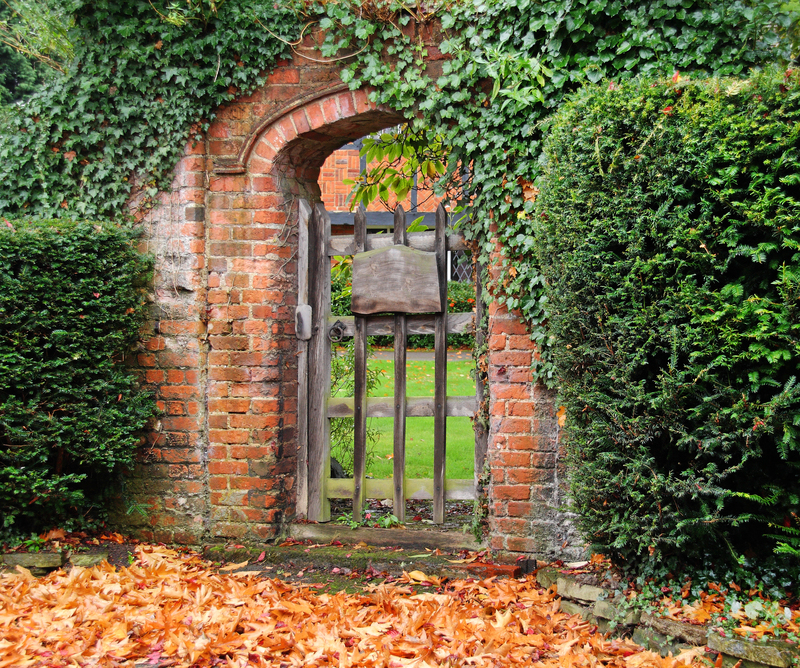
Assessing the Chaos: Initial Steps for Garden Planning
Before you can create calm, you need to fully understand the chaos. Start your garden renovation by stepping outside and taking an honest assessment of your current space.
Key Elements to Evaluate
- Layout: Identify shady and sunny spots, slopes, and potential gathering areas.
- Soil Health: Good soil is foundational for a thriving garden. Test for pH, nutrients, and drainage.
- Existing Plants: Decide what to keep, relocate, or remove.
- Structures and Hardscaping: Fences, patios, and sheds may need repair, replacement, or a fresh coat of paint.
- Problem Areas: Note any weeds, pests, or erosion issues that should be addressed early in the garden renovation process.
Make notes, draw sketches, or even take photos. Understanding your starting point will ensure your journey from chaos to calm is efficient and successful.
Setting Your Renovation Goals
Transitioning a cluttered garden into a soothing retreat requires a vision. Clearly defining what you want ensures a focused and rewarding renovation.
Questions to Guide Your Vision
- What is the primary purpose? (Relaxation, entertaining, growing food, play area, wildlife habitat)
- Who will use the space? (Children, pets, adults, a multigenerational household)
- What style inspires you? (Modern, cottage, Zen, Mediterranean)
- How much maintenance do you prefer? (Low-maintenance, hobby gardening, regular active care)
- Are there any special requirements? (Accessibility, privacy, water features, lighting)
*Tip: Collect inspiration by browsing gardening magazines, Pinterest boards, or visiting local gardens to help shape your goals.
Clearing the Chaos: Site Preparation
Once you know your garden's potential and purpose, it's time to clear the area and prepare for transformation. This foundational stage is crucial; meticulous preparation will make every subsequent step smoother.
Best Practices for Clearing Your Garden
- Remove Debris: Get rid of rubbish, dead plants, and old garden furniture.
- Weed Thoroughly: Pull up weeds by the roots, especially invasive species.
- Prune or Remove Overgrown Plants: Trim back hedges and trees, or remove them entirely if necessary.
- Level the Ground: Use a rototiller or spade to even out uneven surfaces.
- Care for the Soil: Consider mulching, adding compost, or using soil conditioners at this stage.
Safety First: Always wear gloves and use proper tools. If tackling a major overhaul, consider recycling materials or composting green waste to minimize environmental impact.
Design: Turning Chaos to Calm
Here comes the exciting part: reimagining your garden's layout. A thoughtful design can turn even small or awkward spaces into inviting sanctuaries.
Core Principles of Garden Design
- Balance: Combine open lawns and planting beds, tall trees and low shrubs for visual harmony.
- Flow: Create pathways and sightlines that guide the eye and the visitor through the space.
- Unity: Use repeating colors, shapes, or materials for cohesion.
- Functionality: Ensure there is enough space for seating, dining, gardening, or play as you require.
- Biodiversity: Mix trees, shrubs, perennials, and annuals to support pollinators and local wildlife.
Innovative Garden Renovation Ideas
- Multipurpose Zones: Divide large gardens into smaller "rooms" for different uses.
- Water Features: Add tranquility with a pond or fountain.
- Vertical Gardens: Use walls or fences for space-saving green displays.
- Garden Lighting: Solar lights, lanterns, or uplighters extend usability into the evening and set a relaxing mood.
- Eco-Friendly Elements: Incorporate rainwater harvesting or permeable paving for sustainability.
Use free online design tools or consult a landscape architect for professional plans. Don't forget to factor in your local climate, soil, and sun exposure for plant selection!
Plant Selection: Bringing Life to Your Renovated Garden
The heart of every calm garden is its inspiring mix of plants. Wise choices combined with a creative layout will enhance beauty, reduce maintenance, and support local habitats.
Choosing the Right Plants
- Native Species: Favor local plants--they thrive with less care and aid wildlife.
- Seasonal Interest: Combine evergreens, bulbs, perennials, and annuals for year-round appeal.
- Layering: Plant trees, then shrubs, perennials, and groundcovers for depth and variety.
- Drought Tolerance: Especially important for low-maintenance or water-challenged gardens.
- Color and Texture: Mix leaf shapes, heights, and bloom colors for dynamic interest.
Planting Tips: Group plants with similar water and sun requirements, and space them according to their mature sizes to avoid future chaos.
Hardscaping: The Bones of Your Calm Garden
Garden renovation is not just about greenery. Hardscaping refers to non-living elements like pathways, patios, fences, and water features, which add function, structure, and long-lasting beauty.
Popular Hardscape Features
- Pathways: Gravel, stone, or woodchip paths make gardens more accessible and attractive.
- Decks and Patios: Provide space for outdoor dining, lounging, or exercise.
- Retaining Walls: Useful for leveling slopes and creating terraced planting areas.
- Pergolas or Arbors: Offer shade, structure, and places for climbing plants.
- Garden Furniture: Choose weather-resistant pieces that invite relaxation.
*Tip: Balance soft, organic shapes in planting beds with structured, geometric hardscaping for the perfect blend of calm and order.
From Chaos to Calm on a Budget
A stunning garden renovation doesn't have to break the bank. With strategic choices, you can achieve a peaceful refuge on a modest budget.
Cost-Effective Renovation Tips
- Repurpose Old Materials: Use reclaimed wood, bricks, or stones found on-site.
- DIY: Take on tasks like painting, simple construction, or planting yourself.
- Buy in Bulk: Save on soil, mulch, or gravel by buying larger quantities.
- Start Small: Renovate one garden area at a time to spread out expenses and effort.
- Swap and Share: Exchange seeds, cuttings, and tools with neighbors or local gardening groups.
Remember: A well-planned garden renovation focuses on essential changes, not necessarily expensive materials or complex projects.
Maintaining Your Calm Garden
After transforming chaos into calm, maintaining your renovated garden is key to making the tranquility last. Fortunately, your hard work up front pays off with easier upkeep.
Easy Maintenance Strategies
- Mulching: Suppresses weeds and conserves moisture.
- Smart Irrigation: Drip systems and rain sensors minimize water waste and manual labor.
- Pruning Schedule: Regular trimming keeps plants healthy and controlled.
- Seasonal Tasks: Divide perennials, replenish mulch, and tidy leaves each year.
- Integrated Pest Management: Encourage beneficial insects and use safe remedies.
Pro Tip: Keep a garden journal--track what thrives, what needs adjustment, and when tasks should be repeated. This record ensures your sanctuary stays serene year after year.
Real-Life Inspiration: From Garden Chaos to Outdoor Bliss
Nothing is as motivating as seeing others' transformations. Here are a few before and after stories to spark your own journey:
- The Suburban Revival: An overgrown lawn was cleared and replaced with native meadow grasses, pollinator gardens, and a rustic firepit area, turning chaos into a family haven.
- Urban Calm: A cramped city backyard went from cluttered storage to a chic Zen garden with minimalist plantings and a bubbling water wall for instant serenity.
- Sloping Solution: A steep, eroding hillside was transformed with stone terraces, fruit trees, and winding paths for both stability and style.
Start Your Garden Renovation Journey Today
From tangled weeds to tranquil havens, your garden transformation is within reach. Embrace the process: assess your current chaos, clarify your goals, prepare and design meticulously, and fill your space with harmony and life. Whether your vision is wild and natural or neatly structured, a renovated garden offers years of enjoyment for you and your loved ones.
So why wait? Begin your journey from chaos to calm--the ultimate garden renovation starts here.
Frequently Asked Questions about Garden Renovation
How do I start renovating a neglected garden?
Start by surveying the space, identifying what to keep, and clearing away debris. Create a renovation plan focused on your needs and available resources. Prioritize soil health and structure before introducing new plants or features.
What are some low-maintenance garden ideas?
Choose drought-tolerant or native plants, use mulch to suppress weeds, and install simple irrigation systems. Incorporate hardscape elements that require little upkeep and opt for perennial plantings over annuals.
Do I need professional help for garden renovation?
For basic renovations, many homeowners undertake the work themselves. Larger projects, such as structural changes or complex design, may benefit from a landscape architect or contractor's expertise. Consider your budget, time, and desired outcome.
How much does a garden renovation cost?
Costs vary widely depending on size, complexity, and whether you DIY or hire professionals. Small, simple projects might cost a few hundred dollars, while expansive overhauls can reach several thousand.
How long does it take to transform a chaotic garden?
Basic tidy-ups can take just a weekend, while larger, staged projects may take weeks or months. Remember, garden beauty evolves over seasons--patience brings the best results!
Ready to turn your own outdoor chaos into calm? Let this be the year you begin your garden renovation adventure and discover the peaceful retreat waiting just outside your door!
Latest Posts
Revitalize Your Home with Vertical Gardening
Defensive Planting: Overcoming Wind in Your Outdoor Space
Rooting for Beginners: 9 Essential Gardening Insights
Transform Your Landscape with Unique Hedge Trimming Techniques