Bancroft Road Front Garden Makeover Mile End Gardeners Case Study
If you have ever stood at the front of a tired-looking terrace and thought, "This could be so much better," you are in the right place. This Bancroft Road front garden makeover Mile End gardeners case study looks at how a small front space can be transformed into something cleaner, calmer, and far more welcoming without overcomplicating the job. In Mile End, where front gardens often need to work hard in a limited space, a good makeover is not just about looks. It is about practicality, kerb appeal, drainage, maintenance, and making the whole property feel more cared for from the street.
Truth be told, front garden projects are often underestimated. People imagine a bit of planting and maybe a new edge, but the real value comes from the planning. A smart design can reduce mess, improve access, make weekly upkeep easier, and even help a home feel noticeably brighter. In this guide, we will walk through the process, the decisions that matter, common mistakes, and what a well-managed front garden refresh should look like in the real world.
Table of Contents
- Why Bancroft Road front garden makeover Mile End gardeners case study Matters
- How Bancroft Road front garden makeover Mile End gardeners case study Works
- Key Benefits and Practical Advantages
- Who This Is For and When It Makes Sense
- Step-by-Step Guidance
- Expert Tips for Better Results
- Common Mistakes to Avoid
- Tools, Resources and Recommendations
- Law, Compliance, Standards, or Best Practice
- Options, Methods, or Comparison Table
- Case Study or Real-World Example
- Practical Checklist
- Conclusion
- Frequently Asked Questions
Why Bancroft Road front garden makeover Mile End gardeners case study Matters
A front garden is the first thing people see. That sounds obvious, but it is easy to forget when the space is full of weeds, patchy turf, broken paving, or a random mix of pots that never quite worked. On a street like Bancroft Road, where homes are close together and every frontage is visible, a front garden makeover has an outsized effect. It changes not only the appearance of one property, but the feel of the whole approach to the house.
There is also the practical side. Front gardens in urban East London often face shade, foot traffic, compacted soil, and a constant battle with clutter. A makeover has to solve those issues rather than just cover them up. That is why a local landscape gardening approach tends to work better than a quick cosmetic tidy. It blends structure, planting, and surface choices that can cope with everyday life.
In our experience, people usually want one of three things: a cleaner entrance, less maintenance, or a more polished look that suits the property. Sometimes they want all three. Fair enough. The good news is that a front garden can often deliver all three if the design is thought through properly.
Expert summary: A successful front garden makeover should look good on day one, still look good in six months, and not create a maintenance headache for the homeowner. If it only does the first one, it is not a real solution.
How Bancroft Road front garden makeover Mile End gardeners case study Works
The process is usually more structured than people expect. A proper makeover starts with understanding how the space is used. Is it mainly a visual frontage? Does it need room for bins, bikes, or prams? Is there an existing path that feels awkward? Does water pool near the entrance after heavy rain? These are the details that shape the final result.
From there, the work normally moves through a few stages. First comes clearing and stripping back anything that no longer serves the space. That might include old turf, overgrown shrubs, broken edging, or compacted soil that needs renewal. If the area is particularly cluttered, a dedicated garden clearance service can be the cleanest starting point.
Next comes the layout. Front gardens usually work best when they are simple and legible. A narrow path, one or two defined planting zones, and a surface that is easy to maintain tend to outperform busy, over-designed layouts. A good gardener will think about sight lines from the pavement, how the front door frames the house, and where movement naturally happens. You notice these things when you live with the space every day, not just when you are looking at a plan on paper.
Then the practical build begins. That can include edging, soil improvement, planting, turf replacement, hard landscaping, or finishing touches such as fencing or a small decorative screen. If the job needs more visual structure, a well-placed boundary feature from fencing can help define the garden without making it feel shut in.
The final stage is usually a tidy-up and aftercare discussion. This part matters more than people think. A makeover is only successful if the owner knows how to keep it looking sharp. Otherwise, by the time the kettle has boiled a few hundred times, weeds are back and the whole thing has drifted.
Key Benefits and Practical Advantages
A front garden makeover is not just a vanity project. Done properly, it brings a mix of everyday benefits that make life easier and the property more enjoyable to approach.
- Better kerb appeal: The home looks cared for, brighter, and more complete.
- Lower maintenance: Smarter planting and cleaner surfaces reduce weekend work.
- Improved functionality: The space can better handle bins, footpaths, and access points.
- Clearer structure: A tidy layout helps a small garden feel intentional rather than cramped.
- Seasonal interest: The right planting keeps the frontage from looking flat all year.
- Long-term value of effort: Solid groundwork means the garden stays presentable for longer.
There is also a quieter benefit that people often mention after the work is done: pride. You walk up to the house and it simply feels better. That sounds small. It is not small, though. It changes how the property feels to live in.
For homes that have become a bit overgrown, an initial reset through gardening services can create the foundation for everything else. Then ongoing upkeep becomes much simpler, especially if you follow it with regular garden maintenance.
Who This Is For and When It Makes Sense
This kind of project suits several types of homeowners and landlords. If the front garden is visible from the street and feels neglected, a makeover makes sense. If the space is too busy or too hard to keep tidy, it makes sense. If the entrance needs to feel safer, clearer, or more welcoming, yes, it makes sense too.
It is especially useful for:
- homeowners preparing a property for sale or letting
- families who want a low-maintenance entrance
- owners of small terraces or maisonettes with tight frontage space
- people frustrated by weeds, messy edges, or poor drainage
- anyone who wants a more polished first impression without full-scale redevelopment
To be fair, not every front garden needs a full transformation. Some only need smart pruning, edging, and surface cleaning. Others need a more complete redesign. A good contractor should help you judge the difference honestly rather than pushing for unnecessary work. That is where a service such as landscaping can be useful, because it bridges the gap between tidy-up work and a more considered redesign.
Step-by-Step Guidance
If you are thinking about a front garden makeover, a simple process keeps things grounded. Here is the approach that usually works best.
- Start with a clear brief. Decide what matters most: low maintenance, better appearance, safer access, or all three.
- Survey the existing condition. Check for uneven ground, poor drainage, worn edging, dead planting, and access issues.
- Remove what no longer belongs. Clear out failed plants, clutter, and tired materials. It is often easier to start fresh than to patch around the edges.
- Define the layout. Keep the shape simple. A front garden usually benefits from one strong path, sensible borders, and a few focal points.
- Improve the soil. Urban front gardens often need replenishment before planting will thrive.
- Choose surfaces and materials carefully. Permeable, tidy, and durable is usually better than fashionable but fussy.
- Plant for the site. Shade, wind, and foot traffic all matter. The wrong plant in the wrong place will sulk, and then you end up babysitting it.
- Finish with edges and details. Crisp edging, neat boundaries, and clean transitions between materials make a big difference.
- Plan the aftercare. A few simple tasks each month keep the new look intact.
One thing worth saying: do not rush the decision stage. A front garden makeover is one of those projects where ten minutes of careful planning can save ten hours of regret later. And nobody wants to look at a crooked path every morning. That gets old fast.
Expert Tips for Better Results
Small gardens can look expensive when they are simple, coherent, and well-finished. They can also look messy very quickly if too many ideas get squeezed into too little space. Here are a few tips from the practical side of the trade.
- Use repetition sparingly. Repeating one or two plant shapes creates calm.
- Keep the colour palette restrained. Too many competing tones make a small front garden feel busy.
- Think in layers. Low structure, mid-height planting, and one taller feature work better than a random mix.
- Make access feel obvious. People should know where to walk without having to think about it.
- Choose maintenance that fits your life. If you do not enjoy regular gardening, do not design a garden that requires constant pruning.
- Do the unglamorous work first. Drainage, soil condition, and edging rarely look exciting, but they carry the whole project.
If the frontage includes mature shrubs or small trees that are blocking light or crowding the entrance, sensible pruning may help. In some cases, hedge trimming or even specialist tree surgery is what gives the rest of the design room to breathe.
And yes, a spotless path helps. A dusty, mossy entrance can flatten even a good planting scheme, so a finish with patio cleaning can make the whole frontage read as sharper and newer. It is a bit like cleaning your glasses and suddenly realising the room was brighter than you thought.
Common Mistakes to Avoid
Front garden makeovers go wrong for surprisingly ordinary reasons. Nothing dramatic. Usually just a few poor choices that snowball.
- Overcomplicating the design: Too many materials, colours, or plant types can make a small frontage feel cramped.
- Ignoring maintenance: A beautiful planting plan is not helpful if nobody has time to care for it.
- Choosing the wrong scale: Oversized features can dominate a modest garden and make it feel smaller.
- Skipping preparation: Surface changes without soil or drainage work rarely last.
- Using plants unsuited to the site: Shade-loving plants in blazing sun, or moisture lovers in dry compacted soil, will struggle.
- Leaving borders unfinished: Fuzzy edges make the whole project look half-done.
A more subtle mistake is trying to keep everything. Sometimes people ask for a makeover but want to retain every old feature, even the ones making the space feel tired. That can work in a few cases, but not always. Sometimes the best design decision is to let something go.
Tools, Resources and Recommendations
You do not need a huge kit to manage a front garden makeover well, but the right tools and materials make the job smoother and neater.
| Need | Practical Option | Why It Helps |
|---|---|---|
| Clearing and reset | Spades, loppers, bags, wheelbarrow | Removes tired growth and creates a clean starting point |
| Soil improvement | Topsoil, compost, mulch | Helps planting establish and reduces weeds |
| Structure | Edging, compact surfacing, light fencing | Makes the layout feel tidy and deliberate |
| Ongoing upkeep | Secateurs, broom, watering can, hand fork | Keeps the new garden looking fresh with minimal effort |
| Surface finish | Pressure cleaning, joint sanding where relevant | Improves the look of paths and hard areas |
If you are comparing services, it helps to look at the full project rather than just the shiny bits. Ask how the groundwork will be handled, what happens to waste, what aftercare is included, and whether there is a clear plan for the final finish. You can also review pricing and quotes before making decisions, especially if you want a transparent breakdown of the work.
For homeowners who care about the environmental side of things, it is sensible to ask how green waste is handled and whether materials are reused or recycled where possible. A thoughtful approach to recycling and sustainability is a good sign that the project is being managed responsibly.
Law, Compliance, Standards, or Best Practice
Front garden makeovers in the UK are usually straightforward, but there are still sensible checks to make. If the work involves boundary changes, drainage alterations, significant tree work, or anything that affects access or neighbouring property, it is worth slowing down and checking the details before proceeding.
Best practice usually includes:
- making sure access routes remain safe and practical during the work
- keeping materials and waste controlled so they do not affect neighbours or the pavement
- using appropriate protective equipment and working methods
- handling garden waste responsibly
- checking whether any tree work needs specialist attention rather than basic pruning
If you are hiring someone, trust signals matter. Look for clear communication, sensible scope, and documented policies around safety, insurance, and security. Pages such as health and safety policy, insurance and safety, and payment and security can help you understand how a provider operates. That is not bureaucratic fluff; it is part of choosing someone who takes the job seriously.
One gentle reminder: if any part of the frontage includes protected or mature trees, do not assume a quick cut is always the right answer. A proper assessment can save trouble later. Better safe than sorry, as they say, and in this case it really does apply.
Options, Methods, or Comparison Table
There is more than one way to approach a front garden makeover. The right method depends on condition, budget, and how much change you actually want.
| Approach | Best For | Pros | Trade-Offs |
|---|---|---|---|
| Refresh and tidy | Gardens in decent shape | Quick, economical, low disruption | Limited transformation |
| Soft redesign | Spaces that need better structure | Good balance of cost and impact | May still need ongoing care |
| Full makeover | Overgrown or poorly planned fronts | Maximum improvement, long-term clarity | More time, more decisions, higher upfront effort |
A soft redesign is often the sweet spot for Bancroft Road-style front gardens. You keep the basics of the space, but improve the structure so it feels intentional. That might mean smarter borders, a cleaner path edge, and a planting scheme that actually suits the front of the house rather than fighting it.
If the garden is particularly tired, starting with a clean-out and then bringing in broader landscape gardening principles usually gives the best outcome. It is less about showing off and more about making the space work beautifully, day after day.
Case Study or Real-World Example
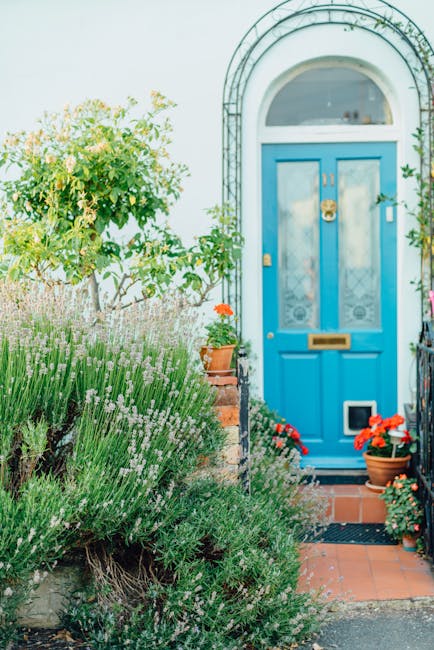
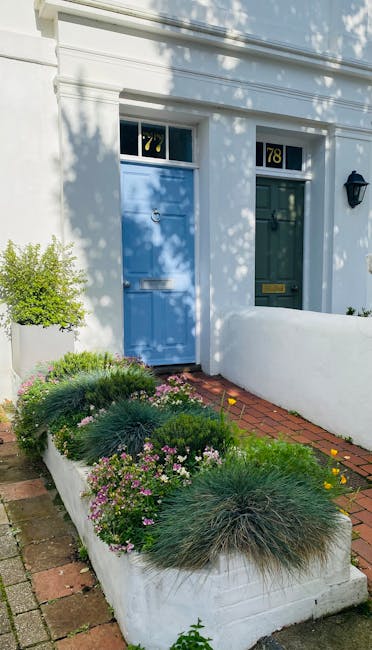
Here is a realistic example based on the kind of front garden project people often request in Mile End. A small terrace frontage had become a catch-all space: patchy lawn, scruffy edges, a couple of shrubs that had outgrown their welcome, and a path that looked dull even when freshly swept. Nothing was badly broken, but the overall impression was tired.
The brief was simple: make it presentable, reduce ongoing maintenance, and improve the approach to the front door. The solution began with clearing out the weakest planting and reshaping the border lines. The turf area was reduced rather than constantly patched, and more of the space was given over to neat, durable surfaces that would not need weekly attention. A few carefully chosen plants were added for texture and seasonal lift, but not so many that the garden would become a chore.
There was also a small but important detail: the hedge line was cut back enough to let in more light. That changed the feel of the frontage straight away. Suddenly the doorway looked less boxed in. The path looked wider. The whole entrance breathed a bit more.
By the end, the garden did not shout for attention. It did something better. It quietly made the house look sorted. That is often the mark of a good front garden makeover: not loud, just right. And honestly, that tends to age better too.
A project like this usually works best when it is supported by regular lawn care or occasional visits for touch-up work, depending on how much soft landscaping remains. If there are any trees causing shadow or scale issues, specialist tree lopping and removal may be part of the conversation, though only where it is genuinely necessary.
Practical Checklist
Use this checklist before starting a front garden makeover or comparing quotes. It keeps the project grounded.
- Decide whether the goal is tidying, redesigning, or a full transformation
- Walk the frontage and note problem areas after rain, at dusk, and in daylight
- Identify anything that should be cleared, repaired, or retained
- Check whether the entrance needs better light, access, or boundaries
- Think about the amount of maintenance you are genuinely willing to do
- Choose materials that suit a London front garden, not a brochure photo
- Ask how waste and green cuttings will be handled
- Confirm whether any tree or hedge work needs specialist attention
- Plan for aftercare once the project is finished
- Make sure the result will still look good six months later, not just on day one
A little preparation here saves a lot of irritation later. Sometimes the simplest list is the most useful one. Funny how that works.
Conclusion
A Bancroft Road front garden makeover in Mile End is a good example of how a modest space can create a big impression when it is handled with care. The best results come from clear thinking: remove what does not help, keep the layout simple, choose plants and materials that suit the site, and finish the work neatly. Done that way, the garden becomes easier to live with and more pleasant to look at every day.
There is no need to overdo it. A front garden does not have to be grand to be effective. It just needs to be honest, tidy, and well put together. In a busy part of London, that kind of calm has real value.
If you are weighing up whether your own front garden needs a refresh, trust your instinct. If it feels like the space is making the property work harder than it should, that is usually your sign.
Get a free quote today and see how much you can save.
Frequently Asked Questions
What is a front garden makeover in Mile End usually designed to improve?
Most front garden makeovers aim to improve kerb appeal, access, and maintenance. In a place like Mile End, they often also need to deal with compact spaces, shade, and everyday wear from the street.
How long does a typical front garden makeover take?
It depends on the scope. A light tidy and refresh may be fairly quick, while a fuller redesign with clearing, surfacing, planting, and finishing details can take longer. The more preparation needed, the more time the job will usually require.
Do I need a full redesign, or can I just improve part of the garden?
You do not always need a full redesign. Sometimes a better border, cleaner surface, or more suitable planting is enough. If the layout already works, a targeted refresh can be the smarter option.
What makes a front garden low maintenance?
Low-maintenance gardens usually rely on simple layouts, durable surfaces, restrained planting, and good edging. The less fiddly the design, the easier it is to keep tidy.
Can a front garden makeover help with property presentation?
Yes. A neat, well-structured front garden changes how a home feels from the street. It often creates a stronger first impression even before someone reaches the door.
What should I ask before booking gardening work?
Ask what is included, how waste will be handled, whether the provider has appropriate safety and insurance arrangements, and what aftercare is expected. Clear answers usually mean a smoother project.
Is hedge trimming enough for some front gardens?
Sometimes, yes. If the garden mainly feels overgrown rather than badly designed, trimming and reshaping may make a big difference. It depends on whether the issue is growth, layout, or both.
When does a front garden need landscaping rather than simple gardening?
If the space needs new surfaces, boundary changes, better drainage, or a proper structural rethink, landscaping is usually the better fit. Simple gardening is best for tidying and routine improvement.
How do I know if tree work is necessary?
If a tree is blocking light, crowding the frontage, or affecting the shape of the space, it may need professional assessment. Do not guess with larger trees; that is usually where problems start.
What is the best way to keep a newly made-over front garden looking good?
Keep on top of weeds, sweep hard surfaces regularly, trim small growth before it becomes a job, and stick to a simple seasonal routine. A few minutes here and there beats a big rescue later.
Are there any safety or compliance issues I should think about?
Yes, especially if the project includes boundary work, tree work, or changes that affect access. It is sensible to use providers who can explain their approach to safety, insurance, and responsible waste handling.
How do I choose between soft landscaping and a harder, more structural approach?
If your main goal is a gentler refresh, soft landscaping may be enough. If the garden needs more shape, better access, or longer-lasting practicality, a structural approach with clearer surfacing and boundaries usually makes more sense.
What is the biggest mistake people make with small front gardens?
The biggest mistake is trying to do too much. A small frontage usually looks best when it is calm, coherent, and easy to maintain. Too many ideas at once can make it feel smaller rather than better.